Do Mattress Toppers Really Work? An Honest Guide to Better Sleep
If you’ve ever woken up feeling stiff, sore, or just not well-rested despite getting hours of sleep, that's likely because of your mattress. Not long after, one question occurs to them: do mattress toppers actually work, or are they just a cunning upsell?
At a time when mattresses are increasingly costly, and sleep health has been making headlines on how to improve its quality, bed toppers are frequently pitched as the smarter option than replacing them. Still, skepticism remains. Can one more layer really make sleep, posture, and comfort even better? Or does it feel good for a few nights and then stop working?
This post offers a critical and realistic examination of the role that mattress toppers play in sleep. It involves how bed toppers influence sleep health, who benefits from them, and when they aren’t sufficient.
Sleep Discomfort Begins on the Mattress Surface

Forget the kind of bad mattress that many of us are familiar with, one that is unsupportive, oppressive, and agony-inducing for tossers and turners. In fact, a lot of people are sleeping on mattresses that are structurally fine but not comfortable. Most mattresses will “feel” less comfortable long before they lose support.
Common issues include:
- Worn-down comfort layers
- A hard surface to rest the human body on
- Stresses concentrate in some regions
- Poor temperature regulation
- Minor unevenness that disrupts comfort
In case it occurs, the mattress can still provide adequate body support, but the sleeping surface no longer adjusts correctly. This is important because sometimes you may want a new comfort layer, but not an entirely new mattress.
What a Bed Topper Is Really For?
A mattress topper, on the other hand, is a removable layer placed on top of the mattress, designed to adjust how your bed feels, not to replace your existing bed. While mattress protectors are thin and mostly for hygiene, toppers are to actively interface with the body throughout the night.
A well-planned topper, including a Sleepcare mattress topper, will:
- Cushion pressure points
- Improve weight distribution
- Support natural spinal alignment
Establish a steeper sleeping-temperature posture profile of the sleeper. Extend the life of the mattress underneath. Instead of covering up issues, a topper simply revives the comfort layer that plenty of mattresses start to lose.
Do Mattress Pads Really Work?
Yes, mattress toppers work, though for the right effect. They are effective when:
- The mattress remains intact
- Discomfort is due to the firmness or pressure of the surface
- Sleep is interrupted by stiffness or restlessness
A mattress that doesn’t need to be replaced
They are not designed to fix:
- Broken springs
- Deep, permanent sagging
- Collapsed mattress cores
Mattress pads can greatly improve overall comfort and sleep quality when expectations are realistic.
How They Actually Improve Your Sleep?

One of the main culprits of broken sleep is pressure points. When some parts of the body become too heavy, the nervous system responds by telling us to move - often when we’re not thinking about it.
Common pressure zones include:
- Shoulders
- Hips
- Lower back
- Knees and joints
Adding a bed topper aids in the relief of joints, so you can have a more restful and peaceful sleep. This reduces the focused pressure so that muscles can relax rather than remain tight all night. This leads to less tossing and turning and more continuous rest.
Supporting Natural Spinal Alignment
Good sleep posture maintains the graceful curve of your spine. When a mattress is too firm or lumpy, the spine has to bend unnaturally.
A bed topper can offer relief by:
- Filling gaps between the body and the mattress
- Keeping hips from dropping too low
- Back lumbar support without being stiff
- Relaxing the shoulders and neck
The mattress toppers by Sleepcare are designed and work for balanced support, comfort, and to keep your body fresh, and have a great look. This balance is essential for easing overnight pressure and morning stiffness.
Temperature Regulation and Thermal Comfort
Temperature discomfort is a nightly sleeper that’s often ignored. Some mattresses can be chilly in the winter, while others may retain heat and make you sweaty.
A bed topper contributes to achieving thermal comfort by:
- A barrier to protect against the cold mattress surfactant
- Reducing overnight heat loss
- Aiding in a consistent sleep temperature
- Allowing airflow to prevent overheating
This provides a more consistent sleep environment, which is particularly good for those who are sensitive to seasonal temperature fluctuations.
Motion Isolation for Shared Beds
Sharing a bed can also mean sharing motion. Even slight changes can wake light sleepers. The 10cm dual-layered memory foam topper is placed above your current mattress and topped with a fitted sheet or flat sheet, which causes less friction between sheets and mattresses.
- Absorbs surface-level motion
- Dampens vibrations of turning and repositioning
- Reduces partner sleep disturbance
That makes mattress toppers especially great for couples who might get up at different times or be sensitive to each other’s motion.
Are Mattress Protectors Good for Bad Backs?

Whether they're aware of it or not, one of the most common reasons people shop for a mattress topper is to treat back pain.
Toppers can help if back pain is caused by:
- Pressure points
- Poor surface cushioning
- Muscle tension from firm mattresses
- Mild posture misalignment
They are less effective for:
- Severe spinal conditions
- Structural mattress failure
- Medical issues requiring professional care
A mattress topper by SleepCare encourages correct everyday posture and reduces pressure that causes discomfort, which can help reduce normal, non-medical back pain over time.
Joint Pain, Muscle Aches, and Age-Related Discomfort
Because joints are more sensitive with age, a firm or cold sleeping surface can make stiffness worse, especially in the hips, knees, shoulders, and lower back.
A bed topper helps by:
- Reducing joint pressure
- Supporting relaxed muscle positioning while side sleeping
- Reducing the impact of hard bed surfaces
This can be particularly useful for individuals who wake up feeling achy in the morning, after getting a full night’s sleep.
Who Will Find the Foam Toppers Most Beneficial?
I'm also a side sleeper and need to lift my shoulder and hip. Let's see which mattress topper is most beneficials for me.
- Back sleepers seeking even lumbar contouring
- Those who have joint or muscle morning stiffness
- Those sleeping on firm mattresses
- Renters unable to replace mattresses
Who it’s for:
- People who just want to improve their sleep without spending a lot of money.
- People who needs support with balanced topper firmness.
- If your mattress feels “almost” right, but not quite comfortable, a topper is often that missing layer.
Who Mattress Layers Aren’t For
Mattress toppers are generally effective - but don’t work in every case. They are not ideal if:
- The mattress has collapsed springs
- There is deep, permanent sagging
- The mattress base is damaged
- Pain arises from untreated medical diseases
Recognizing these limitations permits realistic expectations to be formed and disappointment avoided.
Do You Need a Mattress Pad or Buy a New One?
Some signs tell you it’s time for a new mattress:
- Structural support is gone
- Springs are broken or noisy
- Deep sagging is visible
A mattress pad is the better choice when:
- The mattress still has body support
- Comfort has declined over time
- A cost-effective upgrade is preferred
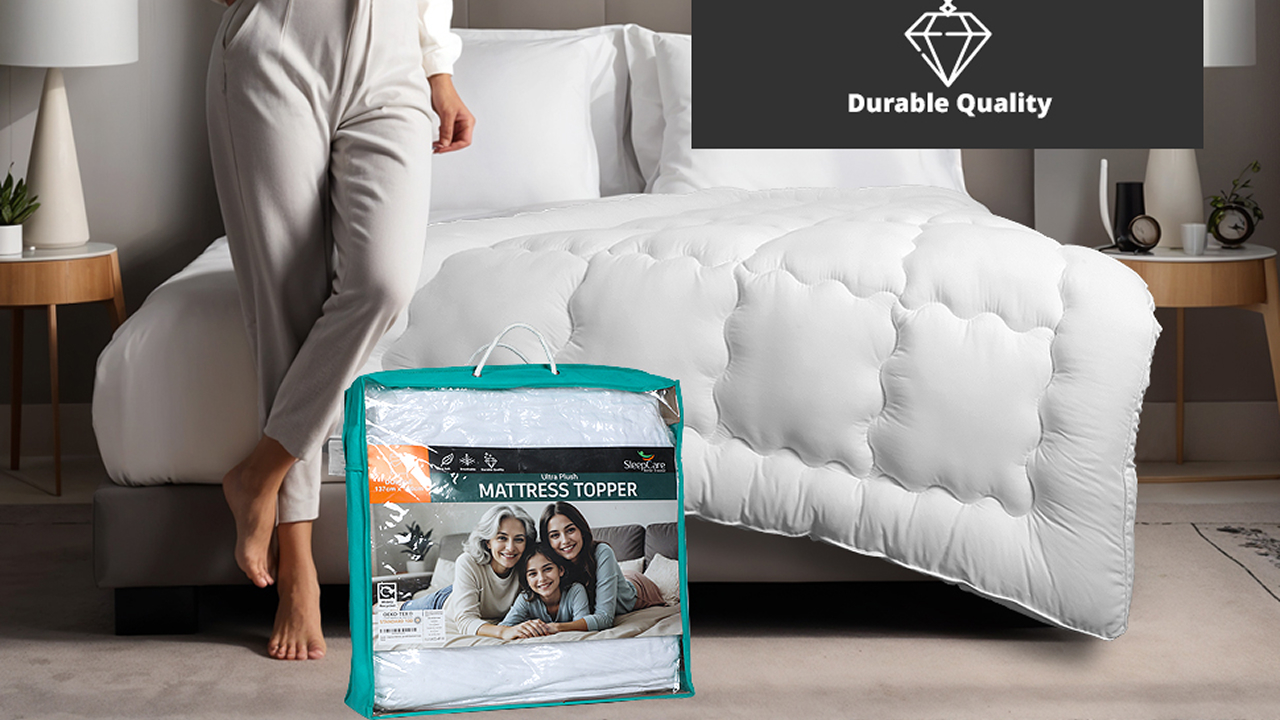
Our mattress topper is an intelligent option for most sleepers before considering a full replacement.
How Long Does it Take to Notice the Difference?
Most people notice:
- Rapid comfort change in only the first few nights
- Lowered rigidity in one or two weeks
- Better quality of sleep within a month
Your body might also need time to acclimate to better alignment and pressure relief, hence why it matters that you use it regularly.
How Our Bed Toppers Are Different?
Not all mattress toppers are designed with quality sleep in mind. Sleepcare focuses on:
- Ergonomic comfort
- Balanced support
- Breathable construction
- Long-term durability
More than just providing softening, mattress toppers by SleepCare ensure you enjoy healthier sleep habits night after night.
The Bottom Line
Yes - mattress toppers really do work, provided they are selected for the right reasons and placed on a suitable mattress. They offer:
- Improved comfort
- Better pressure relief
- More stable sleep temperature
- Reduced morning pain
- Extended mattress life
A mattress topper by SleepCare isn’t a replacement for your mattress. It’s working to optimize the surface your body makes contact with every day. In some cases, improving your sleep doesn’t even begin with a new mattress. Sometimes it begins with the right layer.