How Much Sleep Do You Need?
It is not possible to feel fresh after waking up in the morning, not just by sleeping too much. Our body and mind both need proper rest. Good sleep supports mood, energy levels, and attention. It also affects the immune system and overall well-being. This is why the sleep requirements of each age group are different.
Some people stay fresh even after less sleep. On the other hand, some people need more rest to stay fresh and active. It can be a very significant step to understand our sleep needs for a healthy daily life routine and better daily performance.
How Much Sleep Do Different Age Groups Need?
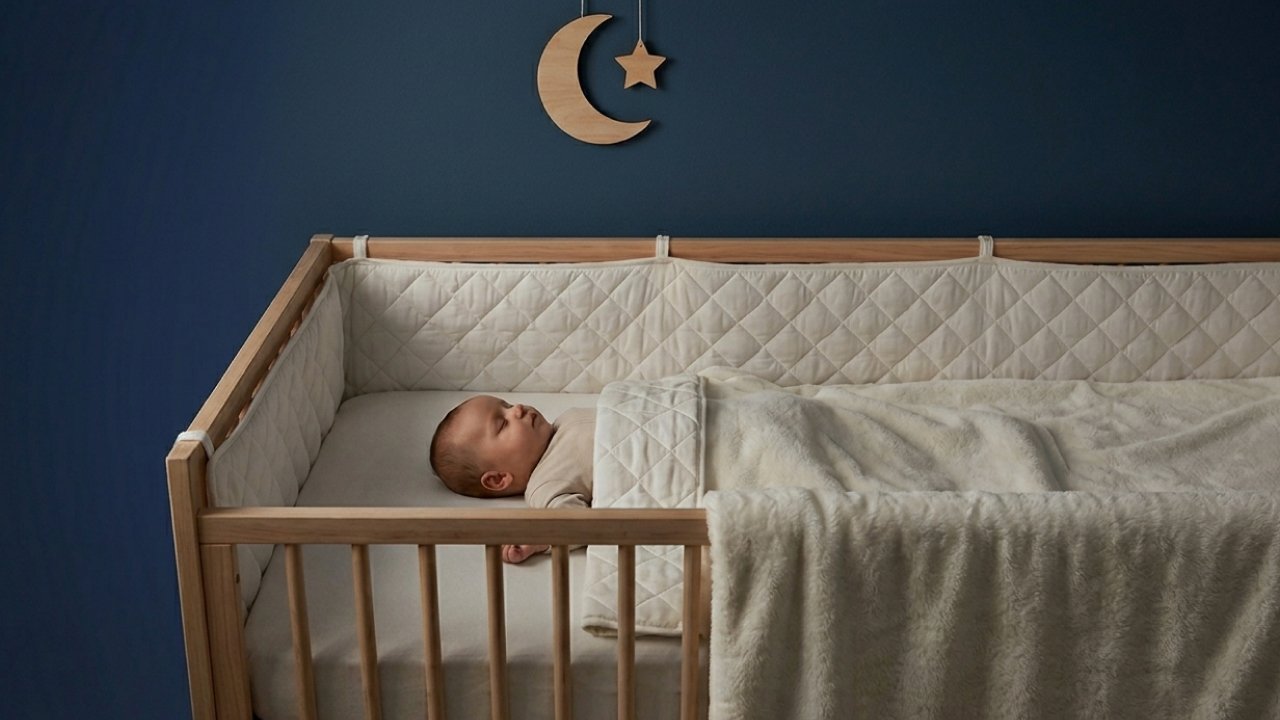
The sleep needs of every age group are not the same. Sleep duration also changes along with health needs, daily routine activities, and body growth. This is why sleep hours can also vary with age.
Infants and Children
More sleep is essential for the healthy development of infants. Most of the time, toddlers need 9 to 14 hours of sleep to gain better growth and learning support.
Teenagers
The brains and bodies of teenagers experience rapid changes. For this reason, they need 8 to 10 hours of sleep so that they can maintain their energy and focus.
Adults
Usually, 7 to 9 hours of sleep is considered enough for adults. A balanced sleep routine facilitates focus and productivity throughout the day.
Older Adults
Older adults also need 7 to 8 hours of sleep. Sleep patterns may vary, but despite that, the quality of sleep remains significant. A mattress topper can provide additional cushioning and support, which is one of the key benefits of a mattress topper for improving overall sleeping comfort.
Signs You Are Not Getting Enough Sleep
Every individual usually experiences less sleep at some point. But if this becomes part of the routine, both mind and body start giving signals. It is important to identify these signals. This is because this may affect daily performance and health.
Daytime Tiredness
Feeling tired throughout the day is a clear sign of sleep deprivation. Some people often feel fatigued even after having their morning coffee. If simple activities start to feel exhausting, there is a possibility that your body needs more rest.
Poor Concentration
Good sleep helps the brain to perceive information. Having less sleep can make it difficult to maintain concentration. Mistakes begin to occur in studies, work, or daily routine activities.
Mood Changes
Mood and sleep have a strong connection. Lack of rest can become a factor for irritation or frustration over minor things. Some individuals feel emotionally drained. But on the other hand, some people find it difficult to manage stress. Consistent and regular quality sleep helps more in stabilizing the mood.
Frequent Illness
The human body works to repair and recover during sleep. If you continuously get less sleep, your immune system feels weaker. This can become a reason for more frequent sore throats, seasonal colds, or any minor infections.
Can You Get Too Much Sleep?
Most discussions focus on less sleep. But it is not always ideal to get excessive sleep. Sometimes it is normal to have extra rest on weekends. But if you do not feel active even after getting too much sleep more than the recommended sleep hours, then you should pay attention to this.
When Oversleeping May Be a Concern
In some cases, continuous oversleeping can point towards lifestyle or health-related issues. If you feel tired even after getting 9 or 10 hours of sleep, then the quality of sleep should be checked.
The reasons can be stress, irregular sleep patterns, or the sleep environment. Some adults in the UK, after busy weekdays, try to sleep excessively on weekends. But this can disrupt their body clock.
Finding the Right Balance
The sleep needs of every person are different. That is why it is significant to focus on sleep consistency rather than focusing only on less or more sleep. A regular sleep pattern provides a better routine for the body. When you get enough hours of quality sleep, it gives support to concentration, daily routine activities, and energy throughout the day.
Factors That Affect Your Sleep Needs
Sleep needs do not depend only on age. Health, daily activities, and sleep patterns can also influence it. That is why two people having the same amount of sleep can still feel differently.
Age
The human body needs change at every phase. For the growth of younger children, more rest is required. At the same time, adults can function properly after getting a few hours of sleep.
Lifestyle and Activity Levels
Our daily life habits also play a very important role in it. A physically active lifestyle and regular exercise can also demand extra rest for the recovery of the body. Busy schedules can influence the bedtime routine.
Stress and Health Conditions
Mental stress can also disrupt the sleep routine. Some people sleep easily in this condition. Whereas some take more time to sleep during stress. Long-term health stress can also influence the sleep routine.
Sleep Quality
Sleep quality is as important as sleep quantity. An uncomfortable mattress can also disturb bed time. A good mattress topper provides pressure relief and extra cushioning. This makes the body feel more comfortable.
For people who sleep on their sides, choosing a mattress topper for side sleepers can provide better support for the shoulders and hips by reducing pressure points during the night.
Tips for Getting Better Sleep

Usually, good sleep starts with small changes. Continuous habits help the body to develop a healthy sleep routine.
Stick to a Sleep Schedule
Daily sleeping and getting up at the same time helps in stabilizing the body clock. It is also better not to change the weekend routine too much.
Create a Comfortable Sleep Environment
A dark, quiet, and comfortable bedroom helps with a better sleep routine. Another factor is room temperature. It can also play a vital role in restful sleep.
Limit Screens Before Bed
The bright light of tablets and mobile phones can alert the brain. So, it is helpful to reduce screen time before bedtime.
Choose Supportive Bedding
Comfortable bedding can improve bed time. A SleepCare mattress topper provides extra support and cushioning. Through this, a person can feel comfortable all night.
How Your Mattress and Mattress Topper Can Help?

Sleep quality does not depend only on sleep hours. Your mattress and bedding setup can also affect sleep quality. This kind of support helps in keeping the body relaxed during bed time.
Comfort and Pressure Relief
A SleepCare mattress topper helps distribute body weight evenly. It keeps the pressure low on the lower back, hips, and shoulders.
Temperature Regulation
Excessive heat can disrupt sleep at night. Some mattress toppers improve the airflow. This makes the sleeping place more comfortable. During colder months, the right bedding combination can also help you stay warm at night while maintaining a comfortable sleeping temperature.
Improving Sleep Quality
Sleep quality does not mean sleeping more. When the body feels proper support and comfort, it reduces sleep disruptions. A good mattress topper can make the sleeping surface more comfortable. Through this, we can get better rest while sleeping at night. And we can feel more active and fresher after getting up.
Conclusion
The sleep needs of every person may vary. But quality sleep is important for everyone. A good amount of sleep supports concentration, energy, and overall well-being. Developing health sleep routine can give long-term benefits.
A good mattress topper and comfortable bedding can also help in creating a better sleep environment. Small changes can make your sleep quality noticeably better.
You Might Like to Read: