How to Keep Warm at Night in Cold Weather?
There is nothing more annoying than crawling into bed after a long day, only to find yourself struggling against the chill that lies beneath the blankets. Cold nights can transform restful sleep into a cycle of discomfort - cold feet, tensed muscles, frequent repositioning, and interrupted sleep, making it harder to stay warm at night.
While people use heavier blankets, dense pajamas, or higher heating settings, these solutions most often address symptoms rather than the root cause. Your bed itself is cold, which forces your body to work harder to warm up - and that makes a direct impact on the quality of sleep.
If you’re wondering how to stay warm at night - in a way that’s effective, comfortable, and consistent - the answer probably isn’t another blanket. It might be elevating the surface you sleep on. A good bed topper, like a SleepCare mattress topper, can turn even the coldest standalone mattress into a warm, insulated support for healthy sleep.
Let’s dive into why we get cold at night, what really keeps us warm, and the right mattress topper for all of it to make a big difference.
Why Do We Feel Colder at Night?

As you fall asleep, your body naturally reduces its core temperature as part of the sleep cycle. This drop tells your brain that it’s time to rest. But when your sleep surroundings are too cold, your body has to work more to regulate temperature.
Here are a few reasons you might feel cold at night:
- Low room temperature
- Poor mattress insulation
- Reduced blood circulation
- Inadequate bedding materials
- Sleeping directly on a firm or thin mattress
A mattress that has no adequate insulation inside it can absorb body heat rather than holding on to it when you lie on it. This is most notable for old or low-quality mattresses that do not have an active comfort layer.
If your bed feels chilly when you first get in and remains so, the culprit is often the cause - making high-quality bedding essentials even more important for maintaining warmth and comfort.
Why Blankets Alone Aren’t Enough?
For cold nights, most people just pile on an extra blanket. While blankets capture heat coming from above, they do not prevent the loss of heat from below. Heat escapes from below because:
- Mattresses promote heat absorption and dispersion
- Cold air can flow all around the bed
- Thin mattress surfaces do not insulate well
Your body is not only losing heat upward, but downward into the mattress. And if the surface of your mattress traps heat, you’ll find yourself chilled no matter how many layers you drape over it. That’s where a mattress topper comes in.
How a Mattress Topper Prevents Heat Loss?
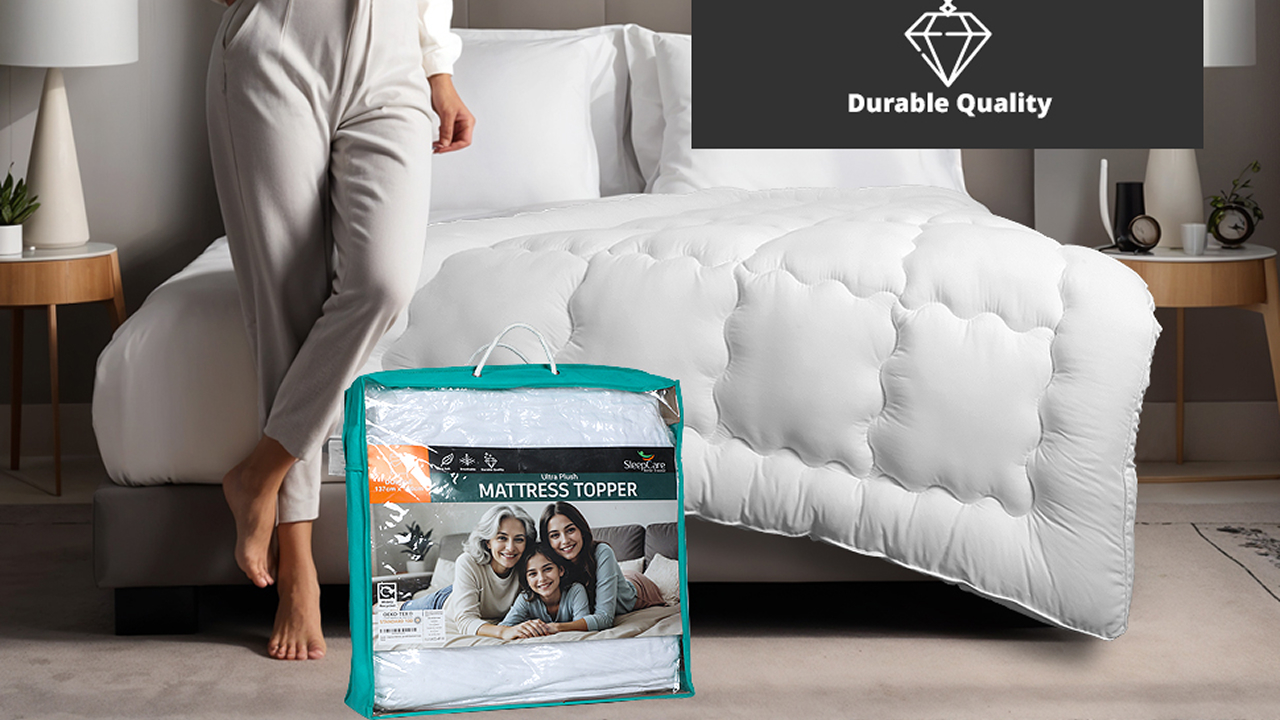
A mattress topper acts as another layer separating you from the core of the mattress. This layer provides insulation and holds your body heat so that it can circulate. A quality mattress topper by SleepCare keeps you warm by:
- Acting as a thermal barrier
- Lowering the direct transfer of heat into the mattress
- Creating a cushioned, insulated surface
- Enhancing overall comfort
A thermal barrier stops that by reducing the natural seepage of heat from your body into colder material beneath you. Without a topper, your mattress absorbs heat and disperses it, particularly if sleeping materials don’t hold on to the heat well. Adding a mattress topper creates a buffer zone to keep warm air closer to your body rather than letting it dissipate downward.
Limiting direct heat transfer is especially important in the first 20 to 40 minutes of sleep. This is when the chill is strongest for most people. A topper makes your bed warm faster, as it holds onto body heat but does not immediately absorb it.
The cushioned and insulated surface lowers that “cold shock” sensation you get when you first lie down. Instead of coming in contact with the mattress’s core temperature, you feel a softer, warmer layer that quickly adapts to your body heat.
Finally, enhanced comfort supports relaxation. Warmer and more comfortable go hand in hand; if the body feels backed up, it will insulate itself naturally, allowing deeper stages of sleep to slide into balance.
While electric blankets work with artificial heat, a mattress pad works naturally with the warmth of your body. It traps and keeps the heat you are already generating.
The Science of Insulation and Comfort
Insulation slows the transfer of heat. If you lie on a firm mattress without a topper, your body heat immediately dissipates into cooler layers below.
The insulation is improved by using a mattress topper because:
- It has materials made to keep warmth inside
- It limits airflow between your body and mattress
- It forms a microclimate around your sleep surface
Materials adapted to retain warmth impede heat loss. A good topper has actual depth, which a thin mattress cover does not. That depth traps warmth in tiny pockets of air, which have a tendency to hold heat longer. This means your sleep surface can stay at a set temperature rather than cooling down quickly during the night.
A second key is reducing air circulation between your body and the mattress. If air moves too easily between layers, it swipes warmth out. A mattress pad that fits your body's contours will reduce excess airflow, so heat stays concentrated where it is needed most.
This is a little pocket that surrounds your body and the microclimate created by a topper around this area. This microclimate stabilizes your sleep temperature so you avoid a dramatic drop that can wake you in the early hours of the morning when room temperatures tend to be at their lowest.
Mattress toppers by SleepCare are designed to offer maximum comfort and thermal retention, so your bed will heat up faster and stay warm at night for longer!
Cold Muscles Disrupt Sleep
Muscles naturally tighten when your body is cold. This tension, in turn, thwarts our ability to relax fully into sleep. Cold nights can lead to:
- Shoulder stiffness
- Back tightness
- Restless movement
- Interrupted sleep cycles
Shrugged shoulder stiffness is caused by cold temperatures - they reduce elasticity in your muscles and joints. When you lie on a cold flat surface, your muscles instinctively contract somewhat to save heat. This slight tension may not appear so in the beginning, but over hours, it can cause discomfort in the morning. Tightness of the back follows suit, which is why many people choose toppers for back pain for added warmth and support.
Cold surfaces do not allow for complete muscle relaxation. Rather than drifting comfortably into sleep, your body holds a slight tension, which diminishes the overall quality of rest. That restless movement is often an unconscious effort to create some heat. Your body moves to improve circulation and generate friction, but this movement disrupts your sleep cycle.
One of the most significant impacts of not keeping warm enough is interrupted sleep cycles. Even minor awakenings during the night cut into the amount of deep, restorative sleep you get. A warm sleep surface allows for muscle relaxation. The bed topper provides a soft, insulated foundation and enables the body to sink passively. Warmth isn’t merely a cozy blanket - it’s deeper physical relaxation.
Improving Circulation During Cold Nights
Cold weather can restrict blood flow, especially in extremities such as the hands and feet. Poor circulation often leads to:
- Cold toes
- Numb fingers
- Difficulty falling asleep
Mattress toppers increase warmth over the whole body surface. It helps to keep the body at a stable circulation throughout the night by enhancing overall heat retention. That results in more even warmth instead of cold spots.
Creating a Cozy Sleep Environment
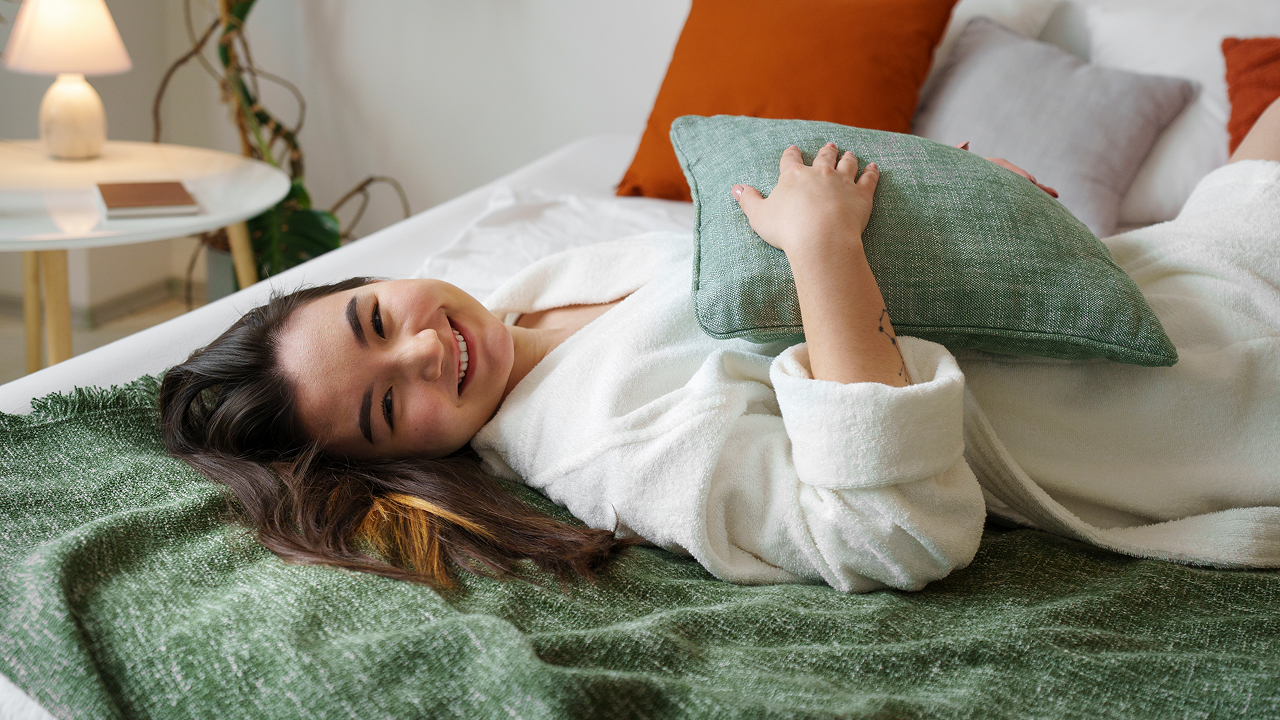
Keeping warm at night is not just about heat; it’s also about texture and comfort. A stiff, cold mattress is uninviting. A mattress pad can convert your bed by:
- Adding plushness
- Enhancing softness
- Creating a more luxurious feel
- Transforming the bed into something far more inviting
Adding plushness alters the way your body engages with the surface of the mattress. Rather than resting directly against a rigid, cold base layer, you feel the soft cushioning effect, which distributes pressure more evenly. The enhanced softness also enhances the psychological sensation of warmth. Soft textures feel warm at night as they give a sense of enclosure and comfort.
A more luxurious feel contributes to overall sleep satisfaction. When you find your bed indulgent and cozy, your body unwinds that much faster. Hustling to make the bed instantly more inviting matters more than most understand. The more quickly you can feel comfortable, the quicker your body settles into restful sleep.
Energy Efficiency and Cost Savings
Raising the central heating every night can cause a steep upturn in energy expenses. Electric blankets also drain electricity all the time. A mattress topper is an automatic, passive way to warm up. Once in place, it:
- Requires no electricity
- Provides nightly insulation
- Reduces reliance on heating systems
- Offers long-term value
By boosting the insulation in your bed, you might discover that you don’t need as much artificial heating to stay comfortable. With wooden or tiled floors, bedrooms can be especially chilly. Mattresses placed near the floor are more susceptible to temperature changes. SleepCare toppers add a further protective layer, making your bed warmer even in colder rooms.
Great for the Winter and Transitions
Winter is the most obvious time to seek warmth, but transitional seasons like autumn and early spring can also deliver crisp nights. If you need year-round versatility, a mattress topper is what you want:
- Adds warmth in winter
- Enhances comfort in autumn
- Kept cooler during spring nights
In the wintertime, the topper serves as a key layer of insulation to help offset cold bedroom temps without an overuse of heating. In the fall, when the temperature varies to unpredictable extremes, the topper offers even insulation that’s uniform regardless of a night drop in temperature.
Early spring days can feel mild but nights stay chilly, the topper keeps a consistent sleep surface temperature so you don’t wake up cold in the middle of the night. Since the SleepCare mattress pad uses your body’s natural warmth to do its job rather than forcing it with artificial heat, it delivers balanced comfort without overheating.
Extended Mattress Lifespan
Fewer pressure points help better circulation and also increase comfort. When pressure is distributed evenly, the body can completely relax without creating tension on certain joints. Better spinal alignment means warmth and alignment can go hand in hand to help you stay warm at night.
A warm surface isn’t all - correct support will guard against tired muscles and supercharge sleep recovery. Extra cushioning provides additional comfort and insulation. Thicker comfort layers simply hold on to heat more than thin surfaces do. Another practical long-term benefit of bed topper is to extend the lifespan of the mattress.
The topper acts as a buffer against wear and friction from daily use, protecting and preserving the mattress beneath it, which helps extend its life and maintains its shape and performance.
In this way, the mattress topper is an investment in better sleep over the long term by improving comfort and insulation at the same time.
Final Thoughts
If you find yourself constantly wondering how to stay warm at night, the answer may not be another blanket - it may be the surface that you sleep on. A cold mattress absorbs heat. It is kept on an insulated, cushioned mattress surface.
Adding a SleepCare mattress topper, you:
- Reduce heat loss
- Improve comfort
- Support muscle relaxation
- Enhance circulation
- Make the sleeping environment warmer and cozier
True warmth begins from beneath. When your mattress combines the insulation and comfort needed to rest well, sleep comes easier, deeper, and more consistently, even during the coldest months.
Read More: