The Bedding Basics That Everyone Needs To Know
Before you can create the luxury bed ensemble, learn about all the parts to choose from. To assist you, we have prepared the following guide to help you understand the key components of bedding and what each portion does.
Walk through how to choose the right pieces for your style and preference, as well as how to clean and care for them.
Let’s begin;
The Most Basic Elements of a Bed Set
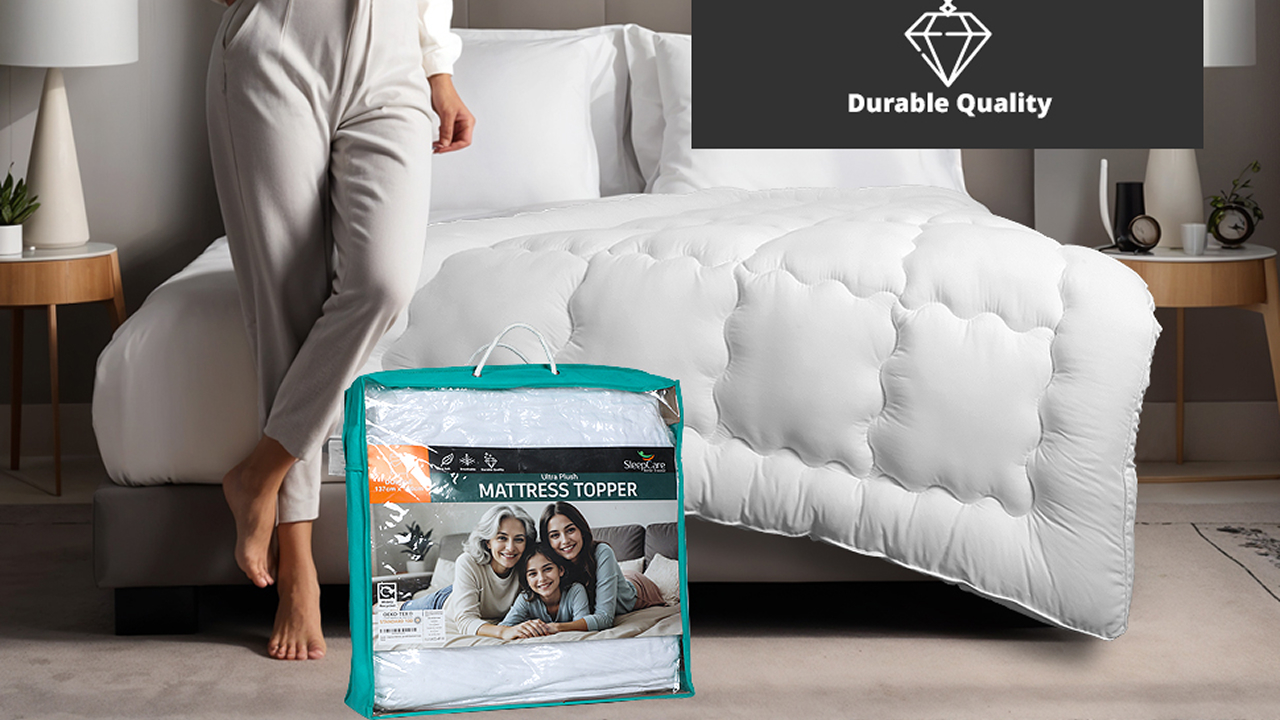
The most common parts of a bed set are the following.
Mattress Protectors and Toppers
Mattress toppers help to defend your mattress against dirt, sweat, and allergens. They are offered in an array of materials, such as cotton, wool, polyester, or vinyl. Some are waterproof, cooling, and hypoallergenic as well.
Read more: Mattress Toppers vs Mattress Protectors
Which you choose will depend on how you sleep and the kind of household that awaits you in the morning. If you're looking to add additional padding, comfort, plush, and support to your mattress, you may be better off going with a mattress topper by SleepCare.
Pillows
A typical bedding arrangement involves a combination of bed pillows and throw pillows. Bed pillows are your primary sleeping accessories, and they truly have a large influence over how well you sleep at night. So, you must select pillows that best suit your sleeping style or position (i.e., back, side, or stomach).
A high-quality pillow may be the choice of many styles. And if you like firmer support, choose duck feathers combined with down. And for a hypoallergenic option, try a down-alternative pillow created in luxe fibers that provide the plush feel.
Sheets
There are three primary types of sheets: fitted, flat, and pillowcases. A fitted sheet wraps snugly around your mattress and helps keep everything in place. Plus, it offers one extra layer of protection and softness. And, while some people might consider flat sheets an optional layer of bedding, they provide another layer of warmth and help keep your duvet or coverlet clean.
Finally, pillowcases protect your skin and keep your pillow fresh. The material you use in sheets will depend on allergies, how hot or cool one sleeps, and what one prefers as far as texture goes.
Blankets, Duvets & Comforters
Blankets are relatively uniform and single-layered (though with varying thicknesses), in case you want a lighter layer. Comforters and duvets, by contrast, are more insulating, which can be ideal for sleepers who need that additional warmth. They consist of two layers of fabric (such as cotton, wool, down, or silk) with a filling in between those layers.
But what’s the exact difference between a comforter and a duvet? The big difference is that a comforter is one piece, while there are two components to a duvet: an insert and a cover. Down duvets and comforters are well known for their extreme softness, breathability, and durable quality. But if you’re allergic or need a less expensive alternative, a good down alternative works fine, too.
Coverlets, Bedspreads, & Quilts
Coverlets or bedspreads add an extra layer of bedding as well as some decoration to your bed while providing you with warmth. They’re also a fine top cover in warmer ones. Quilts are much heavier end of the spectrum and are perfect for chillier nights as they have three layers: a top sheet, an inner, and a bottom sheet.
Bed Skirts
Bed skirts are designed to hide the box spring or foundation of your bed. Because they dangle, they’re also good for covering up the space under your bed. If you just need something that stretches over the foundation, go for it.
Choosing the Right Design and Style for Your Bedroom
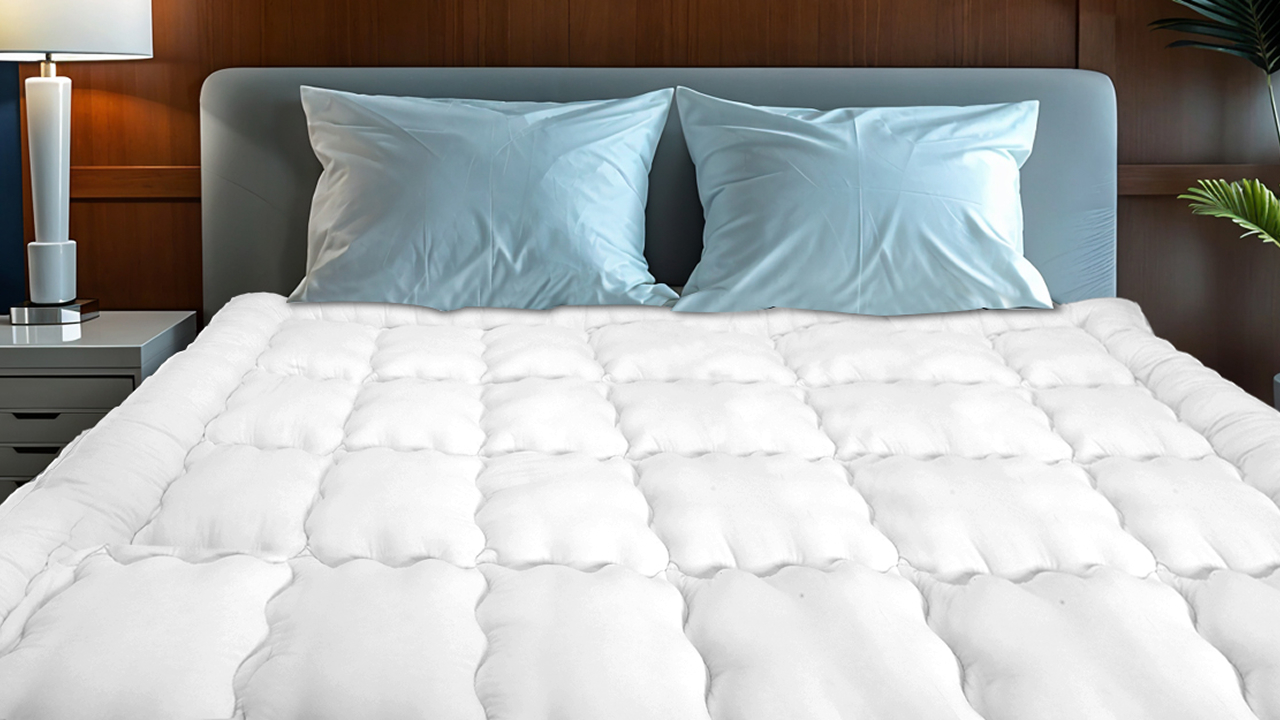
You’ve got the basics on bedding parts, now it’s time to make your own bedroom style all your own. Decorative pieces and accessories save the day in that regard. Details like pillow shams, throw pillows, and throw blankets can make your bed look fashionable and luxurious. Additional comforts like a body pillow or wedge can lift your sleeping even further, especially when you understand how bed toppers work.
Optional Add-ons and Accessories
Throw pillows are so simple to add or switch out, and they make such a big difference in style! And they’re easy to change. The most popular types of decorative pillows are throw, lumbar, Euro, and bolster. A heated blanket may give you a little extra heat on the coolest nights and can be an extremely efficient option for those who hate to sleep with the heater on.
Weighted blankets promise to ease sleepers by providing a feeling that’s gentle, local, and firm at the same time. They can be comforting for those plagued by insomnia or anxiety who are looking for relief during moments of distress. These weighted blankets typically weigh 5 to 30 pounds and provide deep pressure stimulation.
Caring for Your Bedding Components

Here are some easy tips to keep your bedding parts in good shape:
Cleaning and Maintenance Tips
Replace your sheets and pillow covers every one to two weeks, sooner if they need refreshing. Duvet inserts and pillows, on the other hand, can be washed less often, say every three months or so, or whenever there is an accident, such as a spill. Always clean a mattress topper as per the manufacturer’s instructions.
For decorative pillows and throws, simply follow the care instructions on the product, spot clean as needed. Hang-drying your fine bedding is recommended in order to keep it looking its best. This is also an energy-saving method with a fresh smell and clean fabric. Bed toppers can add support and make a good option when maintained properly, one of the benefits of mattress toppers.
Proper Storage for Bed Coverings
This will prevent mildew and sour odors from forming on your bedding. Wait until the bedding is completely dry before folding and storing. You’ll also want to avoid wet storage spaces. Store your pieces somewhere cool and dry with lots of air.
When to Replace Bedding
Replace your bedding essentials regularly to be able to keep a good bedroom hygiene. A good rule of thumb? Replace your pillows yearly and bedding every 18 months to two years.
Final Thoughts
Knowing the fundamental elements of a bed is an important first step in designing the bedroom of your dreams. So now that you know the basics, you can analyze your existing bed coverings and amend as necessary.
Read more: