How to Stop a Mattress Topper from Sliding: A Complete UK Guide
If you’ve got a mattress topper, you’ll know that it is one of the least extravagantly priced ways to get more comfort for your money without replacing the whole bed. Nevertheless, for people living in the UK, one of their biggest headaches often revolves around a topper that never stays in place. Learning how to stop a mattress topper from sliding can make a big difference, as all night long, it shifts this way and that, gets knot-up with itself, or slides during the night.
This not only disrupts sleep but can also reduce the effectiveness of the topper itself. Whether you are dealing with a memory foam topper, a feather layer, or a latex design, keeping it securely in place is essential for comfort, safety, and longevity.
In this comprehensive guide by SleepCare, we bring to you practical solutions that are easy to implement to stop your mattress topper from sliding. These methods are designed specifically and personally adapted for UK homes, bedtimes, and climate conditions.
Why Do Mattress Toppers Slide?
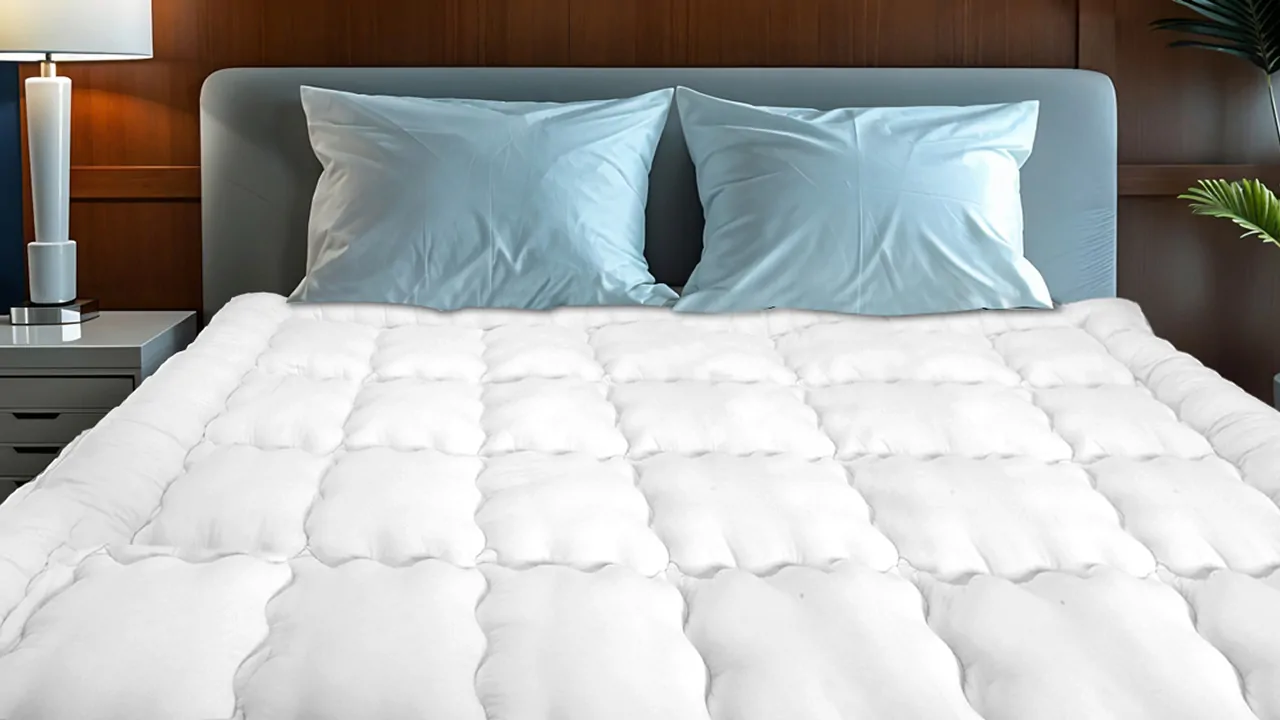
Before fixing the problem, it’s important to understand why this occurs in the first place. Mattress pads can shift for several reasons, many of which are common in many UK households.
Common Causes of Slide
- Smooth Mattress Surfaces: Many modern UK mattresses, especially hybrid or memory foam types, have smooth fabric covers, reducing friction. While this is good for comfort, it also means the topper will slip easily away if you’re not careful.
- Too Large a Size: With your mattress, your topper should be the same size. It will not stay put if it's not the same size as the mattress. (Example: If you buy a double topper for a king-size bed).
- Frequent Movements in Bed: If you move around a lot during the night, your movements eventually push up the topper. This phenomenon is particularly common among restless sleepers trying to stop the mattress topper from sliding.
- Non-fixing characteristics: Some toppers don’t possess an elastic to fix straps or a non-slip backing, which makes them more prone to sliding.
- Issues with the Bed Frame and Base: The slat bed base that is common in UK homes may make an uneven surface, which can cause the topper to move over time.
Why It’s Necessary to Fix a Sliding Topper?
A topper that moves isn’t just a minor inconvenience; it can spoil your sleep and even disrupt your health!
The Most Important Considerations
- Improved sleep quality: A steady surface ensures sleep will be undisturbed, and you will be comfortable all night.
- Better support for the spine: When your topper has somehow shifted, it becomes unevenly supported. Then, poor posture and later back pain come about.
- Added safety: Would it not be terrible to have to sleep with a moving topper? There will be hard spots and folds in the topper that could result in discomfort or even minor injuries.
- The longer life of the product: Constant movement can cause wear and tear, reducing the durability of both your topper and under-mattress.
Simple Ways to Prevent a Mattress Pad from Sliding

Prevent your topper from slipping using one of several different strategies. Preferability often depends on the sort of mattress you have, how soft your top covers are, and personal choice.
Use a Fitted Sheet to Keep the Topper Secure
One of the easiest and most effective solutions is using a deep fitted sheet over both the mattress and topper to ensure they stay in place.
- Use deep-pocketed sheets: Deep-pocketed fitted sheets are created specifically to fit extra layers and make them the best choice for use with mattress toppers.
- Ensure a tight fit: A close-fitting sheet creates tension, which helps hold the topper in place.
- Choose high-quality fabric: Cotton or brushed cotton sheets have better traction than slippery or unnatural materials.
This is especially practicable in the UK homes where woven bedclothes are common, particularly during the colder seasons.
Buy a Non-Slip Mattress Topper in the First Place
Some mattress toppers come with special anti-slip features, which can greatly reduce movement.
- Rubberized or textured underside: These materials add friction between the topper and the mattress.
- Built-in corner straps: One such example of this is elastic straps on the coverlet to secure it at each corner of the bed, just as SleepCare mattress toppers.
- Hybrid Designs: This is achieved by combining a soft layer of padding with anti-slip technology for added convenience.
If you're getting a new topper from SleepCare, then choosing one with anti-slip features can save you a lot of time and trouble long term.
Using an Anti-Slip Mat or Underlay
Anti-slip mats help to keep a topper in place and are offered at a very affordable price.
- Place under the mattress topper: These mats work to keep the topper together.
- Cut to fit if needed: Many anti-slip mats can be trimmed to fit the size of your mattress.
- Now widely available in the UK: These mats can be found in household shops or on the internet, generally sold for use with carpets and rugs.
This is a good solution if your topper does not come with its own fastening features.
Add Elastic Bands or Straps
If your topper does not have bands, you can easily create your own.
- Elastic bands at the corners: Secure each corner of the topper to the mattress by tying on some elastic bands.
- Adjustable straps: These tighten or slacken according to the thickness of your mattress.
- Give it a try yourself: In Britain, many householders rely on sewing techniques or home-made clip-on straps for a personalized look.
This method is especially useful for thicker toppers that move around easily.
Velcro Strips Provide Extra Grip
Velcro strips offer a good, strong method of holding your topper in place.
- Attach with adhesive strips: You can stick one side down on your mattress and the other side to your topper.
- Ensure proper alignment: Make sure that you put the strips down straight; otherwise, the effect will be uneven.
- Simple to adjust or remove: If you need to move the topper around, Velcro offers flexibility.
For those who want a solution that will last longer, this is best.
Keep the Mattress Surface Clean
A clean mattress surface can improve grip and reduce sliding.
- Remove dust and debris: Dirt can reduce friction, making it easier for the topper to move.
- Use a mattress protector: Protectors can add an extra layer of grip while keeping your mattress hygienic.
- Regular maintenance: Vacuuming your mattress occasionally and knowing how to wash a bed topper is ais a simple way to avoid moving discomfort later, which can help stop the mattress topper from sliding.
This is a simple yet often overlooked step in the prevention of movement.
Make Sure Sizes and Fit Are Correct
Getting the proper size topper is crucial for stability.
- Match UK bed sizes exactly: Make sure your topper matches standard UK sizes such as single, double, king, or super king.
- Avoid undersized toppers: Small toppers can easily shift and bunch up.
- Check the compatibility of the thickness: Make sure the height of your mattress and topper combined will fit into your bedding.
A properly fitted topper will naturally remain in place more effectively.
Adjust Your Bed Base or Frame
Your bed base can affect how well your topper stays in position.
- Check slatted bases: Make sure slats are evenly spread and firm.
- Get a solid base if possible: Divan beds provide a more stable base than frame beds, which have all these gaps between slats for grippy dust to collect and cause movement in the night.
- Add a non-slip layer: Using a grip mat between the bed frame and jumper will slow down any movement in total.
A stable foundation both contributes to and enhances the benefits of topper stability.
Additional Tips for UK Homes
Living conditions in continental Europe pose special difficulties, with winter and summer climates providing a changeable environment. Heavier bedding during winter months allows the topper to be kept in place naturally.
Seasonal Considerations
- Winter months: Heavier bedding layers can help hold the topper in place naturally.
- Summer months: Lighter bedding may require additional securing methods like straps or mats.
- Humidity levels: Slight moisture in the air can sometimes increase grip, but excessive humidity may affect materials. There is, however, a humid state where slight moisture in the air might make for adhesion, and though excessive humidity will affect materials, the British are supposed to just grin because they live in misery!
Ideal Bedding Combinations
- Layering Strategy: A Bottom-up topper, mattress protector, and fitted sheet can create an atmosphere of stability.
- Materials: In comparison to their synthetic alternatives, natural fabrics like wool and cotton, such as those found in SleepCare mattress pads, provide a better hold.
- Size consistency: All parts must meet the same UK Size standard.
When Is It Right To Change Your Mattress Topper?
If you find that your topper is moving too much, sometimes this may indicate it needs replacement.
- Time to get a new one: A topper that goes out of shape. An old topper will be too sloppy and loose to stay in place.
- Visible sags and lumps: The irregular surface offers extra movement and discomfort.
- Reduced comfort and support: If your sleep has deteriorated, then perhaps you need a better bed.
Investing in a high-quality SleepCare topper can cure these symptoms and truly ensure a restful night's sleep.
Why Choose SleepCare Topper for Mattresses?
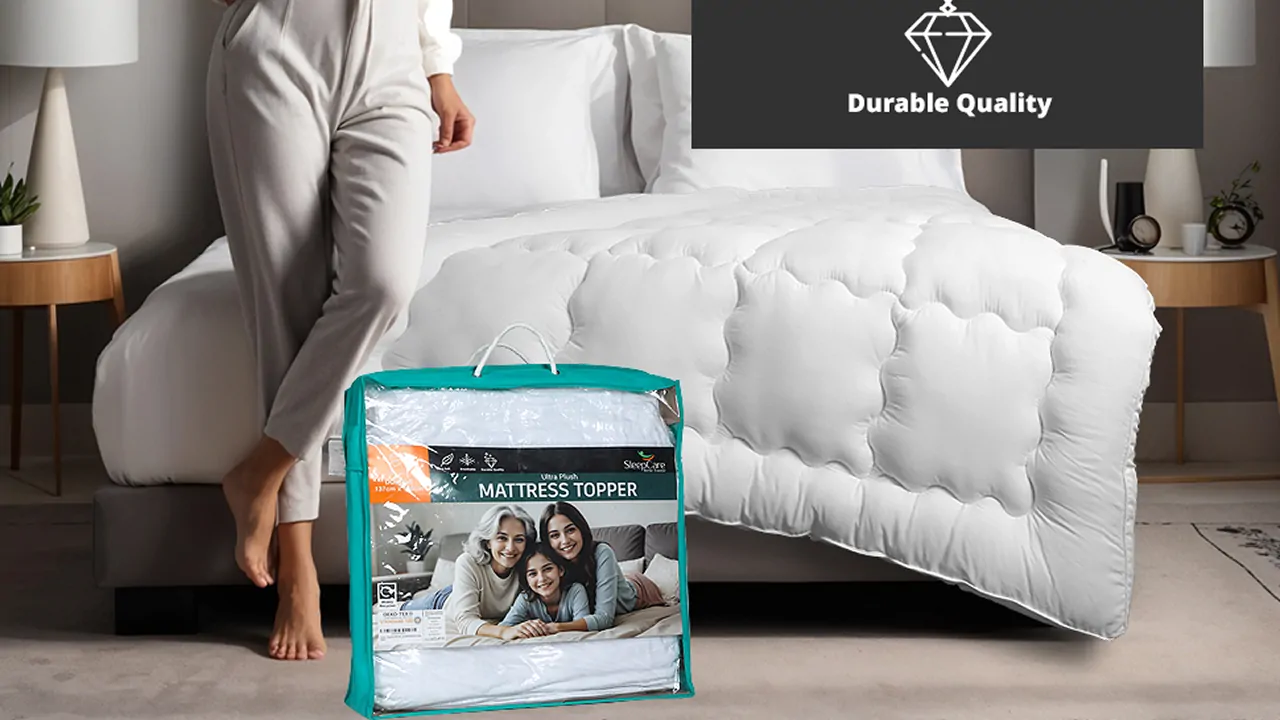
SleepCare makes mattress toppers that give you comfort with a focus on convenience, so they stay put and provide a superior night of sleep.
SleepCare Advantages
Our toppers have an advanced anti-slip design. Through breathable materials, our products are durable, breathable, fitted, and long-lasting, which caters to diverse UK preferences. We comprehend the problems of modern-day British sleepers.
Conclusion
A slipping mattress topper can affect your quality of sleep and comfort, and also shorten the life of your bedding. Fortunately, there is a range of ways, from the easily achievable basic: using fitted sheets, for example, to more sophisticated applications. Such as anti-slip mats and rubber bands to help stop the mattress topper from sliding.
Those who can figure out the reasons and take proper methods in time can enjoy a stable, comfortable, and restful sleep environment every night. With this SleepCare commitment in mind, we’re on hand to help you achieve an even better night’s sleep with high-quality products and practical tips.
Done right, your mattress topper will keep perfectly still, so you can concentrate on what really counts: a good night’s rest.
You Might Like to Read: